


Spending time in the breathtakingly beautiful Tasmania was an experience I won’t soon forget – not just because of its landscapes, but because of the resilience, honesty, and insight of the young people I met there. From Hobart’s creative community spaces like the Youth Arts and Recreation Centre to the quieter towns of the North-West, every conversation added depth to my understanding of what it means to grow up on this island. What stood out immediately was the tight-knit nature of Tasmanian communities. In a state where “everyone knows everyone,” 😉 engagement with political decision-makers can feel more accessible. But that same smallness brings its own unique challenges – geographic and social isolation, a serious lack of third spaces, and underfunded systems that too often leave young people behind. I was struck by how many young Tasmanians spoke openly about their experiences with mental health, disability, racial profiling, and housing insecurity. Their stories were raw and real. I met young people who were advocates in their own right – fighting for inclusive youth justice models, better disability access, and for their Aboriginal identity to be properly recognised in policy and practice. Through the Commission for Children and Young People – Tasmania’s Ashley Youth Detention Centre are helping incarcerated young people find their voice. Guided by the principles of the UN Convention on the Rights of the Child (UNCRC) and supported by the CCYP, they’re using art – such as the Mountain of Voices project created with Terrapin Puppet Theatre – to confront decision-makers with the lived experiences, resilience, and insight of children inside the justice system. And yet, I also heard from others who felt invisible – isolated by transport barriers, a lack of resources in rural areas, or systems that required them to be loud just to be heard. Tasmania taught me that youth participation is not about checking a box – it’s about power-sharing, trust, and showing up for young people who aren’t already in the room. The work being done by YNOT (Youth Network of Tasmania), Headspace, and countless local youth councils and community centres – like the West Tamar Youth Council, Speak Out Advocacy, the Youth Engagement Program (YEP), and the Brain Injury Association of Tasmania (BIAT) – is incredible. But they’re doing it with limited resources, under tight fiscal constraints, and often in competition with each other. That’s not sustainable. During my visit, I also had the privilege of meeting with Members of the Tasmanian Parliament, including the Speaker of the House. It was such an honour to be invited into Parliament House and to sign the official guest book – a moment that reminded me of the importance of linking grassroots youth voices with our most formal institutions of power. What’s needed is structural change. Young people in Tasmania are asking for a genuine say in the decisions that shape their futures – on housing, health, education, climate, and justice. They’re asking for third spaces that stay open past 5pm. For transport systems that don’t punish them for living outside of the capital. For the ability to access a therapist without a 2-year waitlist or a $200 bill. For a society that sees them as more than “at risk.” As the Youth Rep, I carry these stories forward. Tasmania may be small in size, but its youth community is bursting with ideas, strength, and hope. I want to firstly thank the Tasmanian UN Youth team for also hosting such a wonderful conference full of energy, lively discussion and debate. The facilitator team was amazing, and I truly had such a wonderful time getting to know both the team and all the delegates. And thank you, Tasmania, for your openness, your honesty, and your incredible youth leaders. You reminded me that in a world that often feels too fast, sometimes the most powerful thing we can do is slow down, listen deeply, and act with care. 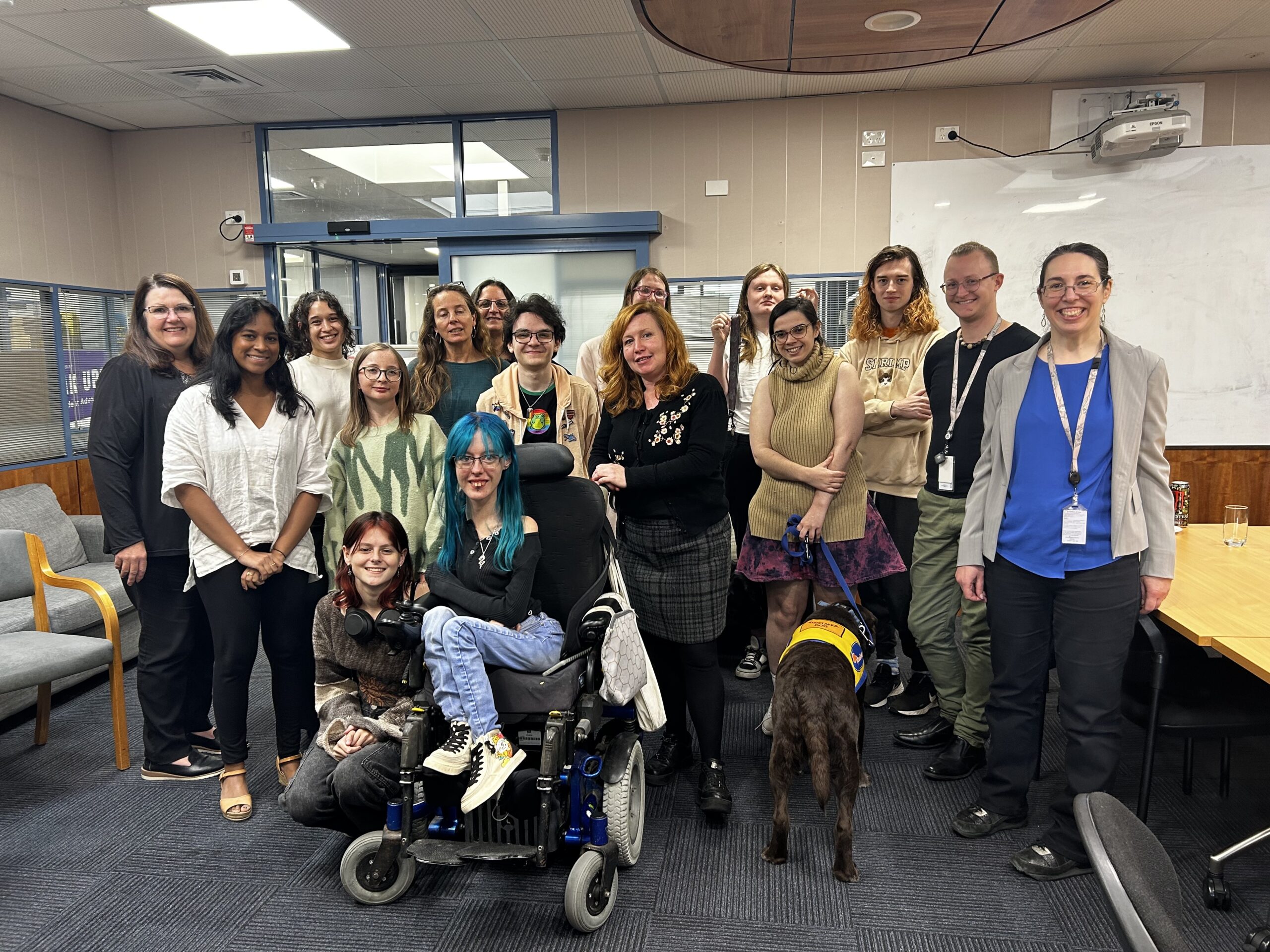
Spending time in the breathtakingly beautiful Tasmania was an experience I won’t soon forget – not just because of its landscapes, but because of the resilience, honesty, and insight of the young people I met there. From Hobart’s creative community spaces like the Youth Arts and Recreation Centre to the quieter towns of the North-West, every conversation added depth to my understanding of what it means to grow up on this island.
What stood out immediately was the tight-knit nature of Tasmanian communities. In a state where “everyone knows everyone,” 😉 engagement with political decision-makers can feel more accessible. But that same smallness brings its own unique challenges – geographic and social isolation, a serious lack of third spaces, and underfunded systems that too often leave young people behind.
I was struck by how many young Tasmanians spoke openly about their experiences with mental health, disability, racial profiling, and housing insecurity. Their stories were raw and real. I met young people who were advocates in their own right – fighting for inclusive youth justice models, better disability access, and for their Aboriginal identity to be properly recognised in policy and practice. Through the Commission for Children and Young People – Tasmania’s Ashley Youth Detention Centre are helping incarcerated young people find their voice. Guided by the principles of the UN Convention on the Rights of the Child (UNCRC) and supported by the CCYP, they’re using art – such as the Mountain of Voices project created with Terrapin Puppet Theatre – to confront decision-makers with the lived experiences, resilience, and insight of children inside the justice system. And yet, I also heard from others who felt invisible – isolated by transport barriers, a lack of resources in rural areas, or systems that required them to be loud just to be heard.
Tasmania taught me that youth participation is not about checking a box – it’s about power-sharing, trust, and showing up for young people who aren’t already in the room. The work being done by YNOT (Youth Network of Tasmania), Headspace, and countless local youth councils and community centres – like the West Tamar Youth Council, Speak Out Advocacy, the Youth Engagement Program (YEP), and the Brain Injury Association of Tasmania (BIAT) – is incredible. But they’re doing it with limited resources, under tight fiscal constraints, and often in competition with each other. That’s not sustainable.
During my visit, I also had the privilege of meeting with Members of the Tasmanian Parliament, including the Speaker of the House. It was such an honour to be invited into Parliament House and to sign the official guest book – a moment that reminded me of the importance of linking grassroots youth voices with our most formal institutions of power.
What’s needed is structural change. Young people in Tasmania are asking for a genuine say in the decisions that shape their futures – on housing, health, education, climate, and justice. They’re asking for third spaces that stay open past 5pm. For transport systems that don’t punish them for living outside of the capital. For the ability to access a therapist without a 2-year waitlist or a $200 bill. For a society that sees them as more than “at risk.”
As the Youth Rep, I carry these stories forward. Tasmania may be small in size, but its youth community is bursting with ideas, strength, and hope.
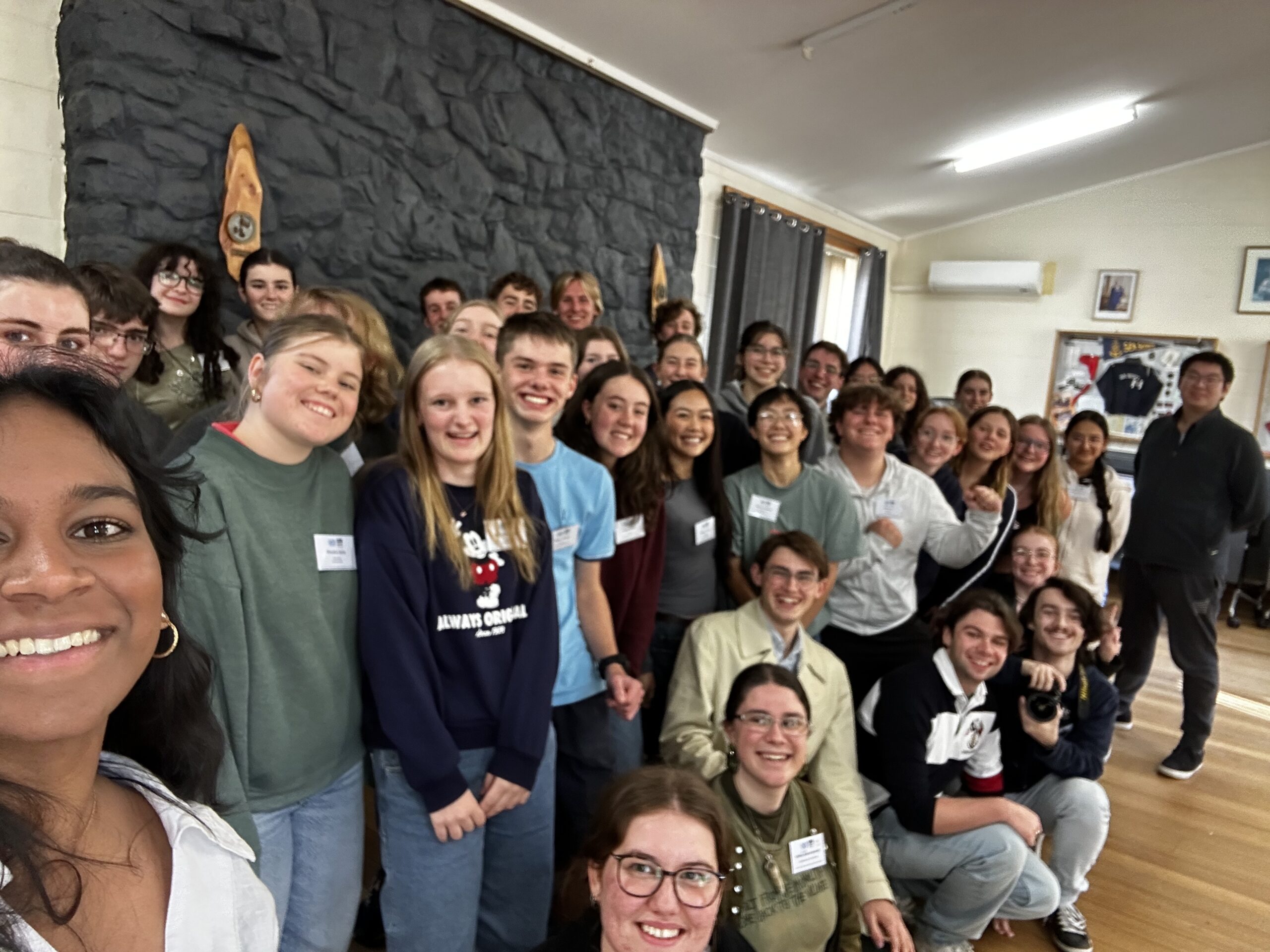
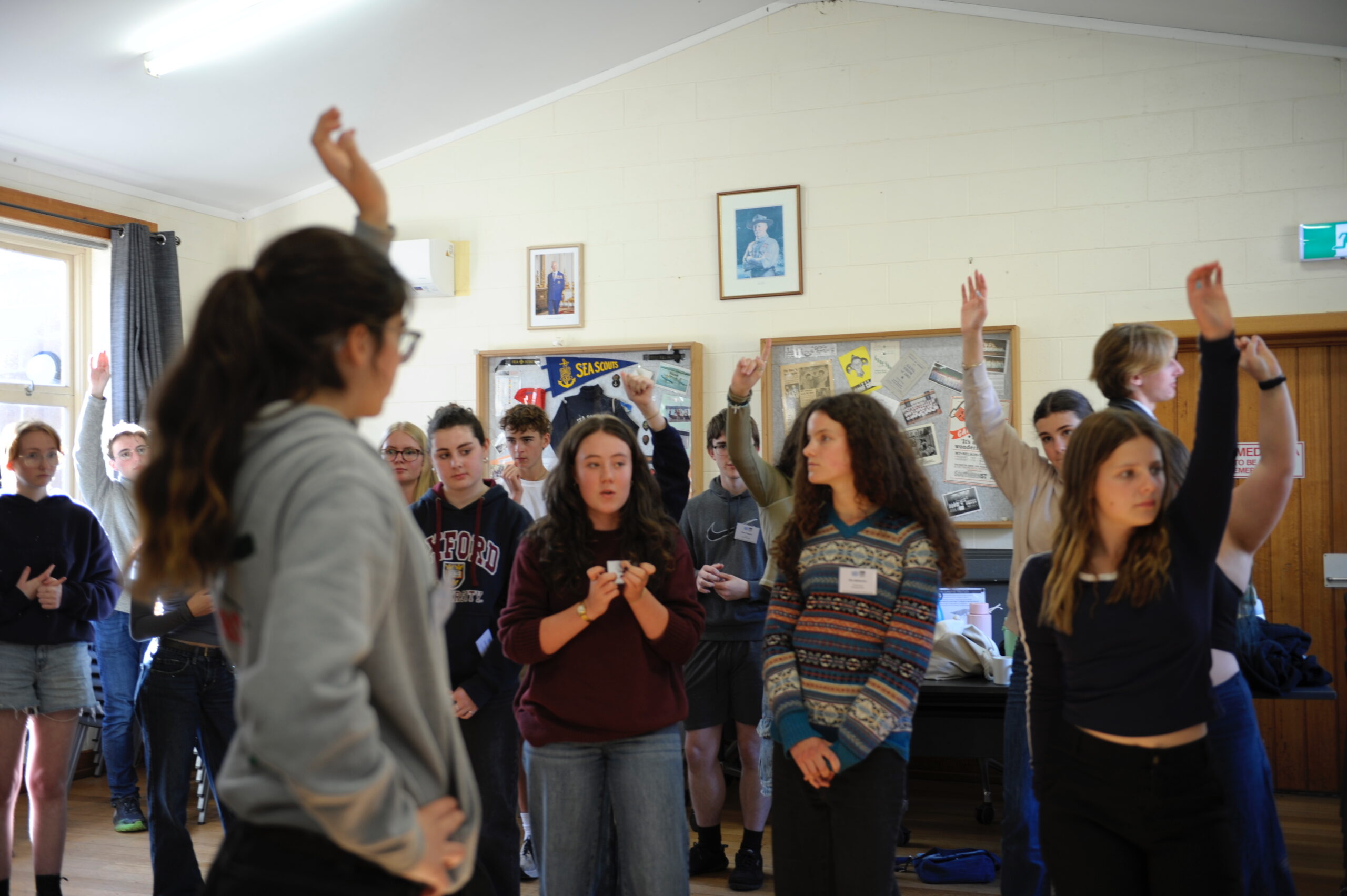
I want to firstly thank the Tasmanian UN Youth team for also hosting such a wonderful conference full of energy, lively discussion and debate. The facilitator team was amazing, and I truly had such a wonderful time getting to know both the team and all the delegates.
And thank you, Tasmania, for your openness, your honesty, and your incredible youth leaders. You reminded me that in a world that often feels too fast, sometimes the most powerful thing we can do is slow down, listen deeply, and act with care.
More Articles from the Youth Rep


About REP NET
Rep Net is the official blog run by the Australian Youth Representative to the United Nations, with UN Youth Australia.
This is a space where young people in Australia can connect with the Youth Rep, hear the latest news on the Program, and share their opinions and solutions on local and global issues affecting young people across Australia’s diverse communities and landscapes.
Young people 12 to 25 are welcome to contribute to our blog at any time!
Engage in the Listening Tour
As Australia’s largest face-to-face consultation of young people aged 12 to 25, the Listening Tour brings together young people to share their visions, challenges, and perspectives on current domestic and international issues and opportunities.