


I recently travelled across Tasmania, meeting young people who are shaping their communities, challenging systems, and finding solutions with limited resources but enormous resilience and creativity. At the University of Tasmania, I spoke with students about the pressures of studying and living in the state. Housing affordability and renting were major challenges, and international students described how difficult it is to find casual work or meaningful employment. These conversations reminded me how essential it is to create spaces where young people can share their real experiences. The State Conference brought young people together from across Tasmania. Racism, education, and access to opportunities were recurring themes. Many young people spoke about feeling unsettled after anti-immigrant marches in their communities. Education challenges were stark: low literacy levels, a big gap between public and private schools, and limited access to higher education. One student said it clearly: “There’s only one university, 51 percent of kids finish year 12, 49 percent functionally don’t, and there are barely any well-paying jobs. Most of us will leave the state to study.” AI, mental health, and climate issues also came up, alongside the frustration that their voices are rarely reflected in decision-making. During consultations with youth-led organisations, similar challenges emerged in different ways. At YNOT, staff shared that transport programs are under-resourced, mental health services have long waitlists, housing is unaffordable, and bullying, body image issues, and eating disorders are major concerns. There are no youth detox services for AOD, and accessing support can feel impossible. The Association for Children with Disability highlighted transport and education access as key barriers. With 25 percent of young people in the state living with a disability, services simply do not meet demand. At the Hobart Youth Arts and Recreation Centre, young people spoke about housing, transport, and what happens to support after turning 25. At Brighton Youth Action Group, I met a young boy who campaigned for two years to get a bus to school. Young people spoke about racism, bullying, alcohol and drug challenges, and running night cafes to respond to food insecurity. One story that stayed with me was of a young person in crisis who was handcuffed and taken to hospital by police with no proper referral or follow-up. In Burnie and Devonport, the regional context shaped the conversations. At Hellyer College, students expressed frustration that their voices are often ignored not just because they are young, but because they are regional. One message came through loud and clear: “No one listens to us.” In Devonport, I spoke with headspace staff who highlighted the challenges of limited mental health services and long waitlists in the area. Even when supports exist, access is difficult, leaving young people without the help they need when they need it. Across every conversation in Tasmania, one thing was clear. Young people are showing courage, creativity, and care. Systems are slow, resources are limited, and the world can feel like it is not built for them. Yet they are leading locally, supporting each other, and finding ways to act even when adults fail to listen. Tasmania reminded me that meaningful change starts with listening, trusting, and valuing lived experience. Young people are not waiting to be heard. They are leading and creating solutions for the future they will inherit. 

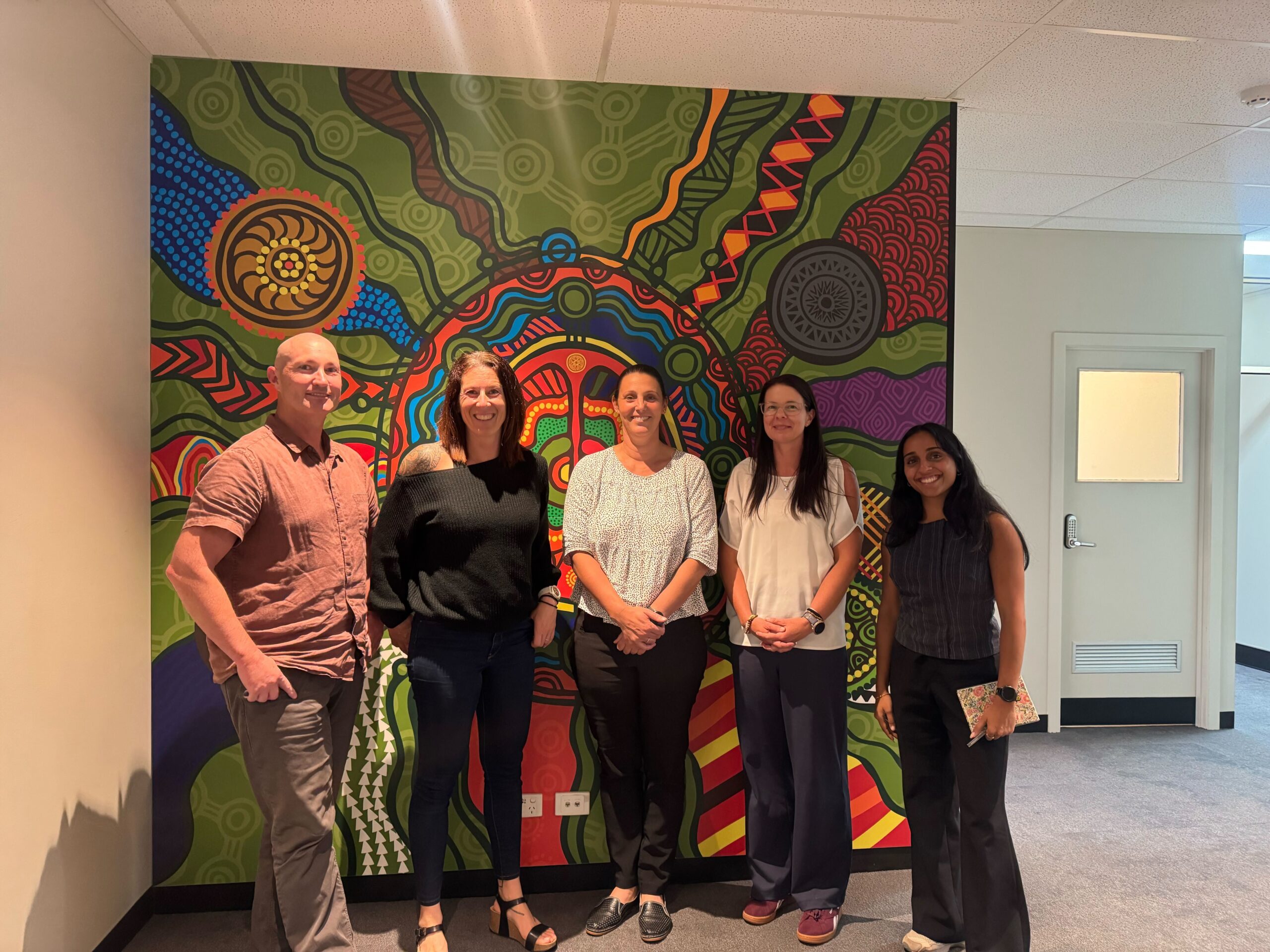
I recently travelled across Tasmania, meeting young people who are shaping their communities, challenging systems, and finding solutions with limited resources but enormous resilience and creativity.
At the University of Tasmania, I spoke with students about the pressures of studying and living in the state. Housing affordability and renting were major challenges, and international students described how difficult it is to find casual work or meaningful employment. These conversations reminded me how essential it is to create spaces where young people can share their real experiences.
The State Conference brought young people together from across Tasmania. Racism, education, and access to opportunities were recurring themes. Many young people spoke about feeling unsettled after anti-immigrant marches in their communities. Education challenges were stark: low literacy levels, a big gap between public and private schools, and limited access to higher education. One student said it clearly: “There’s only one university, 51 percent of kids finish year 12, 49 percent functionally don’t, and there are barely any well-paying jobs. Most of us will leave the state to study.” AI, mental health, and climate issues also came up, alongside the frustration that their voices are rarely reflected in decision-making.
During consultations with youth-led organisations, similar challenges emerged in different ways. At YNOT, staff shared that transport programs are under-resourced, mental health services have long waitlists, housing is unaffordable, and bullying, body image issues, and eating disorders are major concerns. There are no youth detox services for AOD, and accessing support can feel impossible.
The Association for Children with Disability highlighted transport and education access as key barriers. With 25 percent of young people in the state living with a disability, services simply do not meet demand. At the Hobart Youth Arts and Recreation Centre, young people spoke about housing, transport, and what happens to support after turning 25.
At Brighton Youth Action Group, I met a young boy who campaigned for two years to get a bus to school. Young people spoke about racism, bullying, alcohol and drug challenges, and running night cafes to respond to food insecurity. One story that stayed with me was of a young person in crisis who was handcuffed and taken to hospital by police with no proper referral or follow-up.
In Burnie and Devonport, the regional context shaped the conversations. At Hellyer College, students expressed frustration that their voices are often ignored not just because they are young, but because they are regional. One message came through loud and clear: “No one listens to us.” In Devonport, I spoke with headspace staff who highlighted the challenges of limited mental health services and long waitlists in the area. Even when supports exist, access is difficult, leaving young people without the help they need when they need it.
Across every conversation in Tasmania, one thing was clear. Young people are showing courage, creativity, and care. Systems are slow, resources are limited, and the world can feel like it is not built for them. Yet they are leading locally, supporting each other, and finding ways to act even when adults fail to listen.
Tasmania reminded me that meaningful change starts with listening, trusting, and valuing lived experience. Young people are not waiting to be heard. They are leading and creating solutions for the future they will inherit.
More Articles from the Youth Rep


About REP NET
Rep Net is the official blog run by the Australian Youth Representative to the United Nations, with UN Youth Australia.
This is a space where young people in Australia can connect with the Youth Rep, hear the latest news on the Program, and share their opinions and solutions on local and global issues affecting young people across Australia’s diverse communities and landscapes.
Young people 12 to 25 are welcome to contribute to our blog at any time!
Engage in the Listening Tour
As Australia’s largest face-to-face consultation of young people aged 12 to 25, the Listening Tour brings together young people to share their visions, challenges, and perspectives on current domestic and international issues and opportunities.