


Kicking off my 2025 Listening Tour Queensland as the Youth Representative was both incredibly exciting and extremely confronting. It was filled with stories that cut through the noise of political rhetoric, exposing the reality of what it means to be young in this state today. In every consultation, young people shared their experiences with an honesty that was at times heartbreaking but always deeply moving. They weren’t just recounting challenges; they were demanding to be heard, exposing the cracks in our systems, and holding onto hope for something better. I travelled across Queensland—from the regional heart of Townsville to the bustling streets of Brisbane, from universities to youth shelters, from high schools to disability advocacy groups. I met young people at Headspace Townsville, James Cook University, the Queensland Family and Child Commission Youth Advisory Council, St Margaret Mary’s High School, Queensland Disability Network, and countless other spaces where youth are shaping their futures despite the obstacles placed in their way. The diversity of voices I heard reflected the diversity of place—each community with its own unique struggles, but all bound by a shared resilience. Their courage was not just in sharing their pain, but in daring to imagine a different future. In Townsville, young people spoke about youth crime with a depth of understanding that media narratives often fail to capture. They talked about cycles of disconnection and generational trauma, the failures of the youth justice system, and the reality that some young people reoffend because prison feels safer than home. Some spoke of sleeping in watch houses for weeks on end—locked away without fresh air or daylight, in conditions worse than adult detention. And yet, they still dream of a future where support replaces punishment, where healing replaces harm. At James Cook University, students voiced frustration at being ignored. They spoke about regional communities being left out of national conversations, the distortions of political rhetoric, and the misinformation that clouds everything from climate action to voting rights. But they also spoke of resilience, of determination to make their voices count, even when the system seems designed to keep them disengaged. In high schools, young people opened up about their heartbreak over the Voice referendum’s rejection. First Nations students shared their grief, their anger, their exhaustion. They saw racism rise in their communities. They felt their voices dismissed. And yet, they still hope. They spoke of the need for better education—not just in history, but in democracy. Why do they learn algebra but not how to vote? Why is media literacy not prioritised? They are not ignorant; they have been left uninformed. And they are ready to change that. The Queensland Family and Child Commission YAC exposed the deep flaws in our systems—how poverty leads to child protection intervention, how child protection leads to youth justice involvement, how young people fall through the cracks. They spoke of the gaps in support for children experiencing domestic violence, the failure to address LGBTQI+ domestic violence, and the desperate need for better mental health services in regional areas. And yet, young people still believe in change. The Queensland Disability Network revealed how inaccessible our structures remain—not just for those with disabilities, but for anyone navigating bureaucracy without privilege. Paperwork barriers. Policies that trap people in financial and emotional abuse. Workplaces that claim to be inclusive but fail to implement real change. Young people with disabilities spoke of being infantilised, overlooked, dismissed. And yet, they continue to fight—to be heard, to be valued, to be seen. Then there were the experts. The Queensland Aboriginal and Torres Strait Islander Child Protection Peak spoke of their decades-long battle to keep First Nations children out of a child protection system that still removes them at staggering rates. Queensland Council of Social Service highlighted the suffocating cost of living crisis—how young people are forced to choose between education and survival, how home ownership feels like an impossible dream. Queensland Youth Advocacy Centre painted a harrowing picture of watch houses, mandatory sentencing, and children being locked away without dignity or hope. And yet, the fight for justice continues. Here’s a video we put together in Queensland in lieu of International Women’s Day! 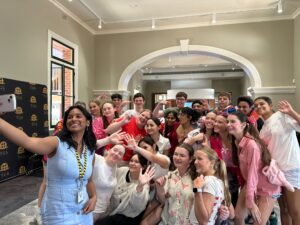
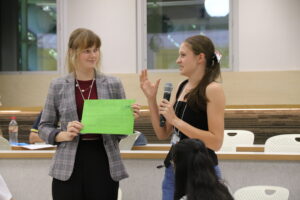
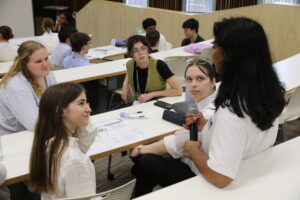
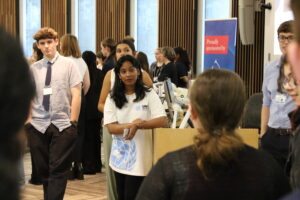
 Leaving Queensland, I feel the weight of these stories pressing against my heart. They have changed me. They remind me why this journey matters, why these conversations cannot stay in these rooms. These voices must be heard—on national stages, on global platforms, in the halls of power where decisions are made.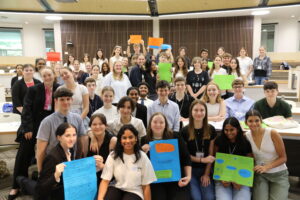
 During my next Queensland trip, I’ll go deeper into regional Australia—ready to listen, ready to learn. It is imperative that we ensure these stories are not just told, but acted upon.
Kicking off my 2025 Listening Tour Queensland as the Youth Representative was both incredibly exciting and extremely confronting. It was filled with stories that cut through the noise of political rhetoric, exposing the reality of what it means to be young in this state today. In every consultation, young people shared their experiences with an honesty that was at times heartbreaking but always deeply moving. They weren’t just recounting challenges; they were demanding to be heard, exposing the cracks in our systems, and holding onto hope for something better.
I travelled across Queensland—from the regional heart of Townsville to the bustling streets of Brisbane, from universities to youth shelters, from high schools to disability advocacy groups. I met young people at Headspace Townsville, James Cook University, the Queensland Family and Child Commission Youth Advisory Council, St Margaret Mary’s High School, Queensland Disability Network, and countless other spaces where youth are shaping their futures despite the obstacles placed in their way. The diversity of voices I heard reflected the diversity of place—each community with its own unique struggles, but all bound by a shared resilience. Their courage was not just in sharing their pain, but in daring to imagine a different future.
In Townsville, young people spoke about youth crime with a depth of understanding that media narratives often fail to capture. They talked about cycles of disconnection and generational trauma, the failures of the youth justice system, and the reality that some young people reoffend because prison feels safer than home. Some spoke of sleeping in watch houses for weeks on end—locked away without fresh air or daylight, in conditions worse than adult detention. And yet, they still dream of a future where support replaces punishment, where healing replaces harm.
At James Cook University, students voiced frustration at being ignored. They spoke about regional communities being left out of national conversations, the distortions of political rhetoric, and the misinformation that clouds everything from climate action to voting rights. But they also spoke of resilience, of determination to make their voices count, even when the system seems designed to keep them disengaged.
In high schools, young people opened up about their heartbreak over the Voice referendum’s rejection. First Nations students shared their grief, their anger, their exhaustion. They saw racism rise in their communities. They felt their voices dismissed. And yet, they still hope. They spoke of the need for better education—not just in history, but in democracy. Why do they learn algebra but not how to vote? Why is media literacy not prioritised? They are not ignorant; they have been left uninformed. And they are ready to change that.
The Queensland Family and Child Commission YAC exposed the deep flaws in our systems—how poverty leads to child protection intervention, how child protection leads to youth justice involvement, how young people fall through the cracks. They spoke of the gaps in support for children experiencing domestic violence, the failure to address LGBTQI+ domestic violence, and the desperate need for better mental health services in regional areas. And yet, young people still believe in change.
The Queensland Disability Network revealed how inaccessible our structures remain—not just for those with disabilities, but for anyone navigating bureaucracy without privilege. Paperwork barriers. Policies that trap people in financial and emotional abuse. Workplaces that claim to be inclusive but fail to implement real change. Young people with disabilities spoke of being infantilised, overlooked, dismissed. And yet, they continue to fight—to be heard, to be valued, to be seen.
Then there were the experts. The Queensland Aboriginal and Torres Strait Islander Child Protection Peak spoke of their decades-long battle to keep First Nations children out of a child protection system that still removes them at staggering rates. Queensland Council of Social Service highlighted the suffocating cost of living crisis—how young people are forced to choose between education and survival, how home ownership feels like an impossible dream. Queensland Youth Advocacy Centre painted a harrowing picture of watch houses, mandatory sentencing, and children being locked away without dignity or hope. And yet, the fight for justice continues.
Leaving Queensland, I feel the weight of these stories pressing against my heart. They have changed me. They remind me why this journey matters, why these conversations cannot stay in these rooms. These voices must be heard—on national stages, on global platforms, in the halls of power where decisions are made.
During my next Queensland trip, I’ll go deeper into regional Australia—ready to listen, ready to learn. It is imperative that we ensure these stories are not just told, but acted upon.
Here’s a video we put together in Queensland in lieu of International Women’s Day!
More Articles from the Youth Rep


2023 Youth Representative Report – Welcome from the Youth Representative
Throughout 2023, Imogen Kane led a national Listening Tour across Australia's communities to hear their hopes, challenges and perspectives on current…

Equal Pay in Sport (Artwork)
Emma visualises the gender pay gap affecting girls and women across Australia, particularly within sporting communities. Emma a 16 year old…

Launching REP NET
This will be a space where we can delve deeper into the Youth Rep’s experiences and what we learn from talking to lots of young Australians.
About REP NET
Rep Net is the official blog run by the Australian Youth Representative to the United Nations, with UN Youth Australia.
This is a space where young people in Australia can connect with the Youth Rep, hear the latest news on the Program, and share their opinions and solutions on local and global issues affecting young people across Australia’s diverse communities and landscapes.
Young people 12 to 25 are welcome to contribute to our blog at any time!
Engage in the Listening Tour
As Australia’s largest face-to-face consultation of young people aged 12 to 25, the Listening Tour brings together young people to share their visions, challenges, and perspectives on current domestic and international issues and opportunities.