


In South Australia, I moved through spaces where young people were already doing the work of building stability in a world that often feels uncertain. Across youth hubs, universities, advisory groups, and community organisations, I heard a consistent mix of resilience and pressure. Young people are studying, working, caring for others, and trying to plan futures that feel less predictable than ever. At Hope Street and Northern Sound System, that reality felt immediate. Young people walked in for food, for music, for company, or simply for a place to exist without pressure. These spaces are not optional extras. They are anchors in everyday life. For many, they are the only consistent environment where they feel safe, known, and able to just be themselves. Outside of those spaces, life felt more uncertain. The rising cost of living came up everywhere. Housing that feels increasingly out of reach. Transport that limits movement and opportunity. Social connection that now often depends on whether you can afford it. Young people spoke about how even simple things like seeing friends or joining activities now require planning around money and capacity. At Adelaide University, with the Political and International Relations Association, and through Global Shapers Adelaide, students spoke about restructures, staff cuts, and a growing sense that higher education is no longer a clear pathway into the future. Instead, it feels like a system in transition, where expectations remain high but certainty is harder to find. Concerns were also raised about student life, resourcing, and the risk of losing connection and community within university spaces. Work followed a similar pattern. At the Ministers Youth Advisory Council and through broader conversations, young people described entry level jobs that demand experience they have not yet had the chance to gain. International students spoke about being excluded from opportunities before their skills are even considered. There was a shared feeling that effort alone is no longer enough to guarantee opportunity. Mental health sat underneath many of these conversations. Not as a separate issue, but as something shaped by everything around it. Burnout, loneliness, and constant comparison were common themes. Social media often intensified these pressures, shaping ideas of success and identity in ways that feel relentless rather than supportive. Through Purple Orange, disability advocates spoke about a different but connected experience. Systems that exist in principle but are difficult to navigate in practice. Forms that are not accessible. Transport that excludes. Employment processes that quietly screen people out. What stood out most was not only the presence of barriers, but the exhaustion that comes from repeatedly having to explain and justify the need for support in the first place. At Minties Camp, young people in out-of-home care spoke about wanting more agency in decisions that shape their lives, and the importance of earlier intervention and stronger family support systems. Across these conversations, there was a strong sense of wanting to be heard before crises escalate, not after. Racism and Islamophobia were described as both visible and subtle, appearing in everyday interactions, media narratives, and global events that shape local experiences. For many, belonging was not something assumed. It was something constantly negotiated, especially in the context of international conflict and rising global tension. Young people want more action from our governments and are losing hope when seeing family members affected by war overseas. Across all of these conversations, nothing stood alone. Housing, work, education, identity, safety, and mental health were deeply interconnected, each shaping the other in real time. And yet, what stayed with me most was not only the pressure, but the way young people respond to it. It was clear through the people I met that young people are already building systems of care and connection that fill the gaps left elsewhere. South Australia showed me young people who are navigating some of our most rigid systems every day. What they are asking for is not to be spoken about from a distance, but to be trusted in shaping what comes next. 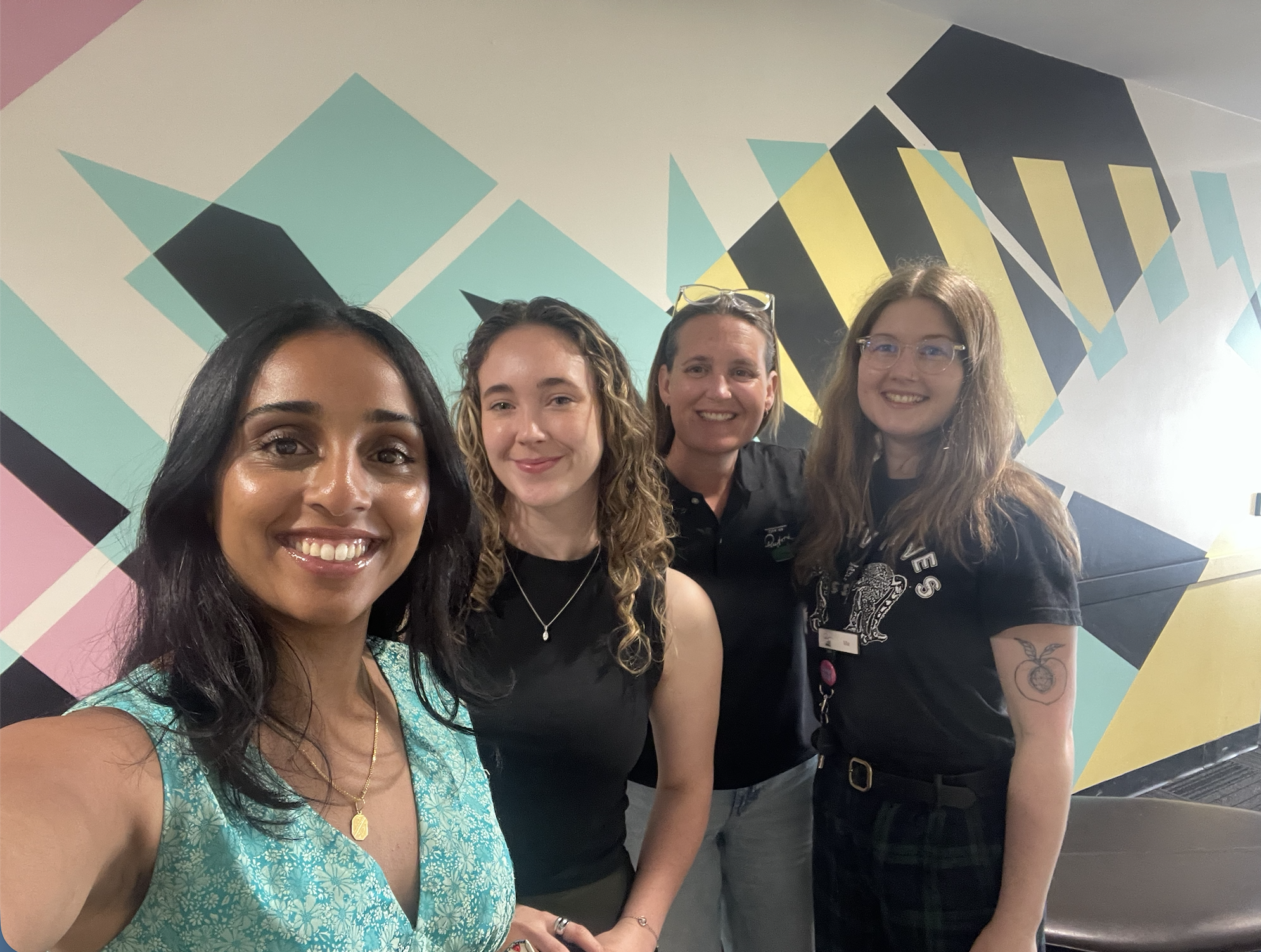
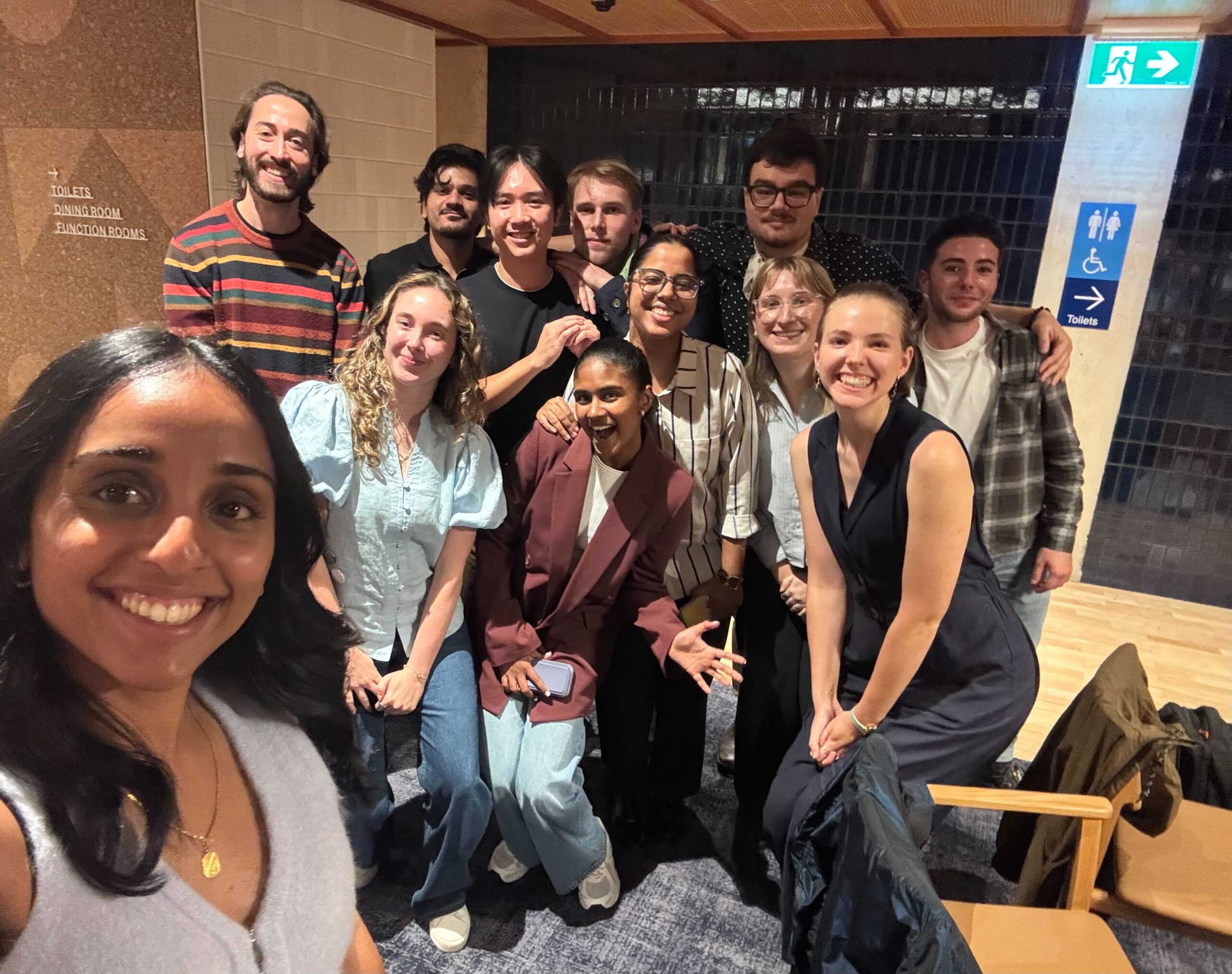
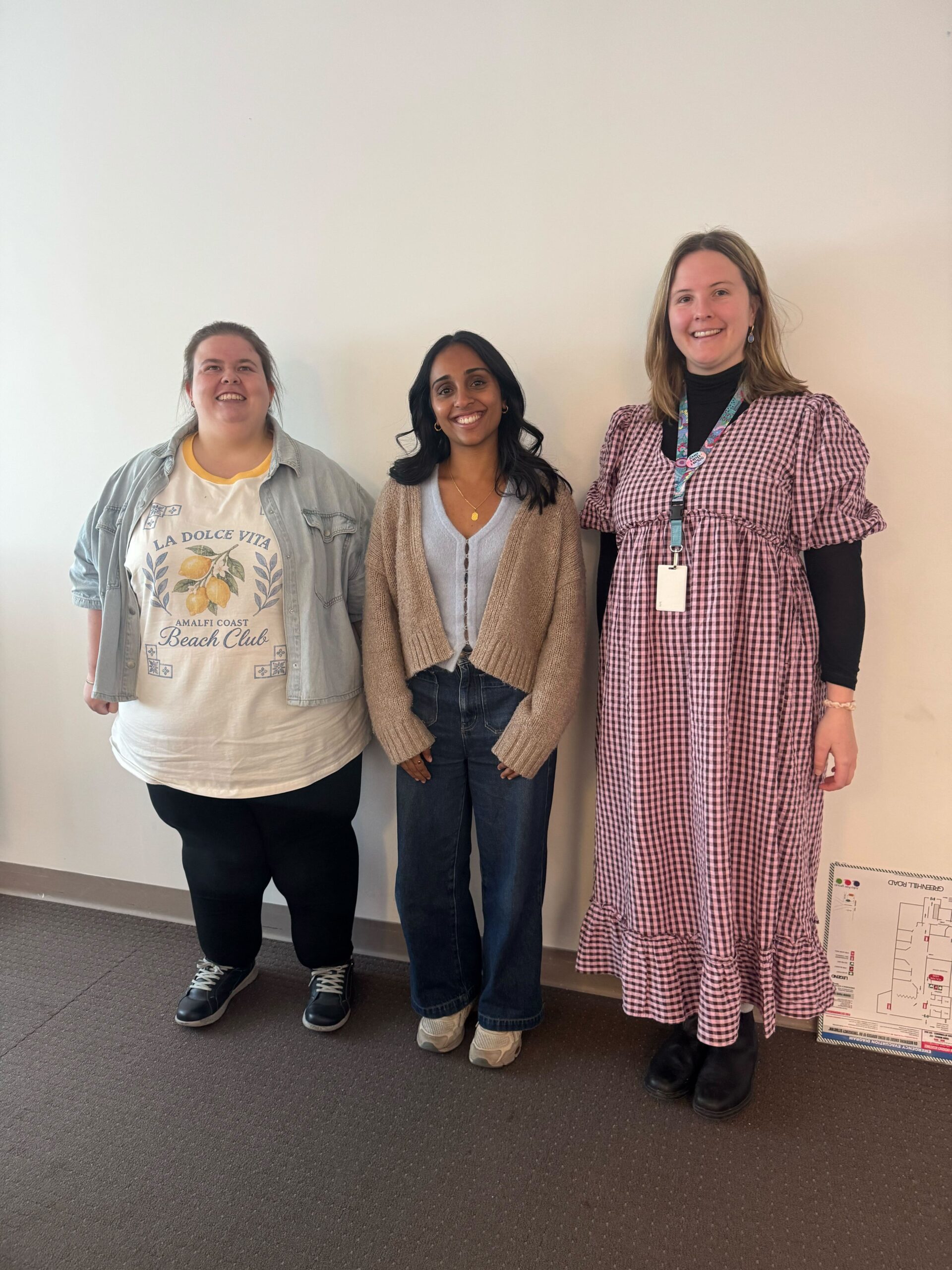
In South Australia, I moved through spaces where young people were already doing the work of building stability in a world that often feels uncertain.
Across youth hubs, universities, advisory groups, and community organisations, I heard a consistent mix of resilience and pressure. Young people are studying, working, caring for others, and trying to plan futures that feel less predictable than ever.
At Hope Street and Northern Sound System, that reality felt immediate. Young people walked in for food, for music, for company, or simply for a place to exist without pressure. These spaces are not optional extras. They are anchors in everyday life. For many, they are the only consistent environment where they feel safe, known, and able to just be themselves.
Outside of those spaces, life felt more uncertain.
The rising cost of living came up everywhere. Housing that feels increasingly out of reach. Transport that limits movement and opportunity. Social connection that now often depends on whether you can afford it. Young people spoke about how even simple things like seeing friends or joining activities now require planning around money and capacity.
At Adelaide University, with the Political and International Relations Association, and through Global Shapers Adelaide, students spoke about restructures, staff cuts, and a growing sense that higher education is no longer a clear pathway into the future. Instead, it feels like a system in transition, where expectations remain high but certainty is harder to find. Concerns were also raised about student life, resourcing, and the risk of losing connection and community within university spaces.
Work followed a similar pattern. At the Ministers Youth Advisory Council and through broader conversations, young people described entry level jobs that demand experience they have not yet had the chance to gain. International students spoke about being excluded from opportunities before their skills are even considered. There was a shared feeling that effort alone is no longer enough to guarantee opportunity.
Mental health sat underneath many of these conversations. Not as a separate issue, but as something shaped by everything around it. Burnout, loneliness, and constant comparison were common themes. Social media often intensified these pressures, shaping ideas of success and identity in ways that feel relentless rather than supportive.
Through Purple Orange, disability advocates spoke about a different but connected experience. Systems that exist in principle but are difficult to navigate in practice. Forms that are not accessible. Transport that excludes. Employment processes that quietly screen people out. What stood out most was not only the presence of barriers, but the exhaustion that comes from repeatedly having to explain and justify the need for support in the first place.
At Minties Camp, young people in out-of-home care spoke about wanting more agency in decisions that shape their lives, and the importance of earlier intervention and stronger family support systems. Across these conversations, there was a strong sense of wanting to be heard before crises escalate, not after.
Racism and Islamophobia were described as both visible and subtle, appearing in everyday interactions, media narratives, and global events that shape local experiences. For many, belonging was not something assumed. It was something constantly negotiated, especially in the context of international conflict and rising global tension. Young people want more action from our governments and are losing hope when seeing family members affected by war overseas.
Across all of these conversations, nothing stood alone. Housing, work, education, identity, safety, and mental health were deeply interconnected, each shaping the other in real time.
And yet, what stayed with me most was not only the pressure, but the way young people respond to it. It was clear through the people I met that young people are already building systems of care and connection that fill the gaps left elsewhere.
South Australia showed me young people who are navigating some of our most rigid systems every day. What they are asking for is not to be spoken about from a distance, but to be trusted in shaping what comes next.
More Articles from the Youth Rep


About REP NET
Rep Net is the official blog run by the Australian Youth Representative to the United Nations, with UN Youth Australia.
This is a space where young people in Australia can connect with the Youth Rep, hear the latest news on the Program, and share their opinions and solutions on local and global issues affecting young people across Australia’s diverse communities and landscapes.
Young people 12 to 25 are welcome to contribute to our blog at any time!
Engage in the Listening Tour
As Australia’s largest face-to-face consultation of young people aged 12 to 25, the Listening Tour brings together young people to share their visions, challenges, and perspectives on current domestic and international issues and opportunities.